Preventive Dentistry Tips: How to Floss Properly
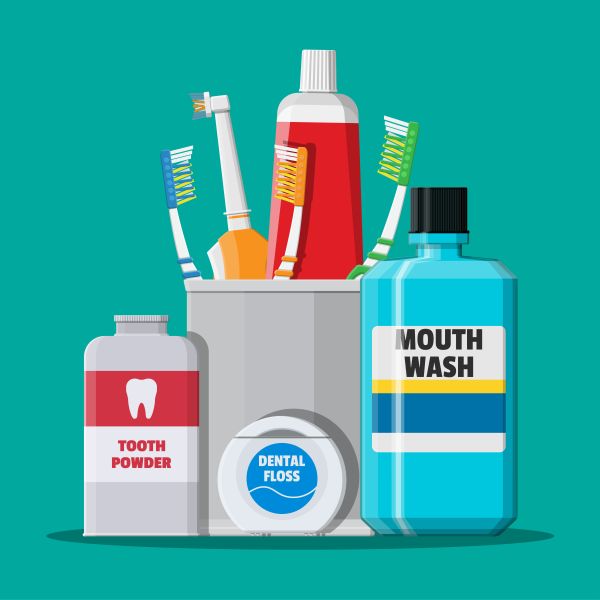
Flossing is a big part of preventive dentistry. It removes plaques, makes teeth less likely to decay and also reduces the risk of gum disease. You need to clean between your teeth every day, according to the American Dental Association. This can be difficult if you do not know what to do. Follow some tips to make it easier to floss daily.
Have the right tools for preventive dentistry
People often reach for whatever they can find when they get something stuck between their teeth. Unusual items like forks, safety pins and fingernails are common replacements for dental floss. These are not nearly as effective.
Unconventional items can also harm the teeth and gums, so people need to have floss on hand at all times. This is essential for anyone interested in preventive dentistry.
What tools do people need?
String floss is a common choice for people. This option quickly removes food particles that get lodged between the teeth and cause bacteria and plaque buildup.
Those who cannot properly use dental floss can switch to a water flosser. Water flossers can get around braces, bridges and other dental work.
How to floss properly
Those who are interested in taking care of their teeth must floss properly to get the optimal results. Many people use improper techniques and, consequently, end up leaving food particles and bacteria behind.
Use the right amount of floss
People need to cut a string of at least 18 inches when using string floss. This is long enough to floss between each tooth properly.
Secure the floss
Proper form is also important. People must secure the floss by looping it around both middle fingers. Use the thumbs to pinch the floss to keep it in place.
Take short and gentle strokes
Put the dental floss between two teeth. Hug one of the teeth with the floss, forming a C-shape around it. Slide the floss back and forth and up and down. Then, hug the other tooth and repeat the process.
When it is time to move onto the next two teeth, use a fresh section of floss. Otherwise, it is possible to deposit bacteria in between the teeth. Depositing bacteria between the teeth can lead to cavities.
After flossing
People often think they are through cleaning their teeth when they finish flossing. Those who are serious about making it a part of their daily routine need to also have mouthwash with them when they floss.
Flossing frees bacteria from between the teeth, and some of these can end up in the mouth. Rinse with mouthwash to eliminate the remaining bacteria. Then, the mouth will be fresh and clean.
Develop healthy dental habits
Preventive dentistry techniques such as daily flossing will help to keep your teeth healthy between dental checkups. Floss every day and follow the proper techniques. That way, you will reduce your risk of cavities and gum disease and have a healthier smile as well.
Are you considering preventive dentistry in the Portland area? Get more information at https://www.cosmeticdentistoffice.com.
Check out what others are saying about our services on Yelp: Read our Yelp reviews.
Recent Posts
Dental implants provide a reliable, long-term solution for replacing missing teeth, but not every patient qualifies for treatment immediately. Several oral health and medical factors can affect whether implant placement is appropriate at the time of evaluation. The goal of a general dentist is to identify these concerns and develop a treatment plan that improves…
A deep dental cleaning helps protect the smile when gum disease develops. Problems with the gums often start quietly, bringing symptoms that can be easy to ignore: mild bleeding, inflammation, and tenderness. A dentist may recommend these deeper cleanings to remove bacterial buildup beneath the gumline, help the gums heal, and reduce the risk of…
When you look for an Invisalign® dentist, the goal is to achieve a straighter smile without the hassle or appearance of traditional metal hardware and wires. This modern approach to teeth straightening relies on clear aligner sets to shift the teeth into place with high accuracy. The process is straightforward. However, the success requires a…
A bridges dentist can replace missing teeth for a fuller smile. As their title suggests, these dentists are experienced in placing dental bridges: secure, natural-looking tooth replacements that support daily comfort and function. This solution has long been a popular option for patients who prefer to avoid flipper teeth and dental implant surgery. With thoughtful…