Root Canals, Restorations, Extractions: Which Do You Need?
A root canal is an endodontic procedure that can help save a tooth when infection or damage reaches the soft tissue inside. However, dental pain, swelling, sensitivity, or visible damage can make it difficult for patients to know whether it will help or if it is even necessary. During a simple evaluation, our dentist can examine the tooth, take digital images, and explain whether a root canal or extraction is needed, as well as the subsequent restorations that offer the most effective solution for you.
When the dentist may recommend a root canal
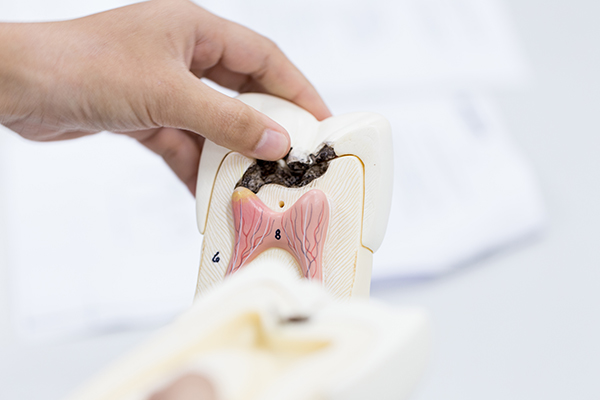
The dentist may recommend a root canal when decay, injury, or a deep crack affects the pulp inside the tooth. The pulp contains nerves and blood vessels, so inflammation in this area can cause lingering pain, pressure, swelling, or sensitivity to hot and cold temperatures. In severe cases, some teeth may also develop an abscess, which requires immediate medical attention. These signs often mean the tooth needs more than a standard decay removal and filling.
During a root canal, the dentist removes the damaged or infected tissue from inside the tooth. They then clean, shape, and seal the canal space to help prevent bacteria from returning. Lastly, they take measurements to fabricate a permanent crown that will help strengthen the tooth and restore normal chewing function. Patients will return for a second appointment after the crown is returned from an off-site dental lab for permanent bonding, allowing the natural tooth to remain in place instead of being removed.
When a restoration may be enough
Not every damaged tooth needs a root canal. A tooth with a small cavity, minor chip, or limited surface crack may only need a filling, inlay, onlay, or crown. These restorations repair the visible part of the tooth and help protect it from further wear or decay. The dentist recommends this option when the inner pulp remains healthy, and enough of the enamel remains intact.
When an extraction may be necessary
The dentist may recommend an extraction when a tooth is unsalvageable. This can happen when a fracture extends below the gumline, decay destroys too much structure, or gum disease weakens the bone and tissues that support the tooth. In some cases, a root canal may not provide enough long-term stability. Therefore, removing the tooth can help stop infection and protect nearby teeth.
After an extraction, the dentist can discuss replacement options to restore the smile and help maintain bite balance. Leaving a space untreated may allow nearby teeth to shift, which can affect chewing and alignment. Replacement options may include:
- An implant-supported crown
- A dental bridge
- A partial denture
The best option depends on oral health, bone support, budget, and long-term goals.
Schedule an evaluation
Choosing between a restoration, extraction, or root canal starts with a detailed exam. The dentist checks the tooth structure, gum health, bite, and surrounding bone. We can perform digital X-rays, which can show the depth of decay, root condition, infection, and bone changes that are not visible during a visual exam. To learn which option is most effective for you, contact our office and schedule an evaluation.
Request an appointment here: https://www.cosmeticdentistoffice.com or call Rachel Cole DDS PC at (503) 248-1114 for an appointment in our Portland office.
Check out what others are saying about our dental services on Yelp: Root Canal Treatment in Portland, OR.
Recent Posts
Root canal therapy is an effective way to restore infected teeth. However, like any procedure, there are cases where complications arise and the treated tooth may not heal as expected. It is important to know the signs of root canal failure so that you can get the tooth treated again as soon as possible. Addressing…
A root canal is a dental technique devised to treat infection or damage within the pulp (the innermost chamber) of the tooth. While the procedure has a reputation for being painful, thanks to anesthetics, it is often no more uncomfortable than getting a filling.While there is no recovery period after getting a root canal, proper…
Dentists use root canals to save teeth that are badly infected. Sometimes, due to damage or decay, the inner part of the tooth becomes infected. However, the tooth may not have to be pulled, thanks to the root canal procedure. This article takes a closer look at this common treatment and three main signs you…
Patients typically do not feel much discomfort during root canal therapy, but there is likely to be discomfort during the recovery process. It is helpful to become familiar with the likely symptoms following root canal therapy and plan in advance on how to make a full recovery in the shortest amount of time possible.There are…