How a Sleep Dentist Can Create a Pleasant Dental Experience
Have you ever wished that a sleep dentist existed? Well, they do. As with many types of health procedures, not being awake or able to feel any pain is a major benefit for people that are afraid of pain or have anxiety when getting any work done on their teeth.
This is extremely common. In fact, around 25 million Americans report having some level of dental anxiety. This doesn't mean that everyone is too scared to have dental work performed but it does prevent many people from getting the procedures that are necessary for improving their overall health.
A sleep dentist can alleviate these fears by putting a patient to sleep while they are getting dental work performed. This way they do not feel anything and are completely unaware of what is happening. Oftentimes pain and fear will go hand in hand. When a patient is scared of what is happening their body can naturally tense up which makes things even more painful. This is why people that are relaxed tend to feel less pain and even recover faster after injuries.
Going to sleep can be particularly helpful when having major dental work performed like getting dental veneers or dental implants. Implants, for example, have a surgical component to the procedure where a metal post is implanted under the gums and secured to the jawbone. This can be uncomfortable and create anxiety in patients. Through the use of sedation dentistry, we can help patients relax and go to sleep while the metal posts are being implanted. By the time a patient wakes up the procedure will be complete.
There are several types of sedation that are commonly used. Laughing gas is used to simply calm the nerves and help a patient to relax and feel at ease during an appointment. Oral sedatives can accomplish the same goal. The challenge is that simply relaxing isn't enough to eliminate the pain so many people want this in combination with pain relief.
Local anesthesia can be used to numb the specific area that is being worked on. This is commonly done when a cavity is treated so that a patient won't feel pain from the procedure but the rest of the area is not numb, allowing patients to move and respond to commands without assistance.
Deep sedation can be achieved by delivering a stronger medication through an IV. This can help a patient to fall asleep during their dental procedure so that they do not feel anything and are unaware of their surroundings. Only expert dentists and oral surgeons can use this level of sedation because it requires additional training and the ability to monitor patients closely since, in this state, a patient is unable to move or respond to commands on their own. The benefit is that the procedure will be completely relaxing.
As a sleep dentist, we specialize in keeping our patients comfortable during oral surgery and can discuss the options for doing so in detail during a consultation.
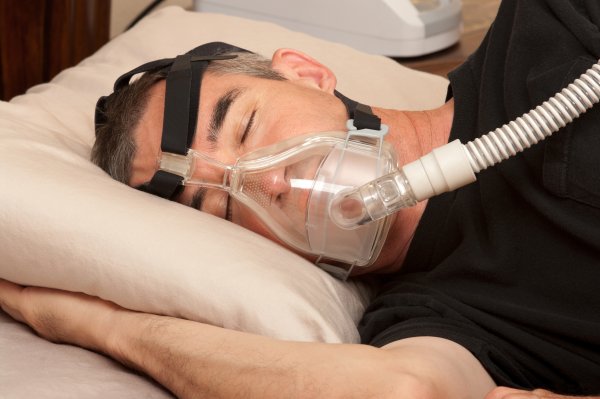
If you have recently gotten a sleep apnea diagnosis, you will want to learn about the treatment options and how they work. CPAP devices are the most popular, but dental appliances are also a non-surgical option to consider. Continue reading to learn about the effectiveness of oral devices for sleep apnea treatment.Dental appliances for treating…
Sleep apnea is a condition that leads to breathing interruptions as a person sleeps. These interruptions force your brain to wake up to restore breathing. These episodes can occur over 100 times in a single night, making it difficult to get restful sleep.Obstructive sleep apnea is the most common form of the condition and it…
Oral appliance treatment is an innovative treatment alternative to a traditional CPAP machine for obstructive sleep apnea (OSA). Sleep apnea can make sleeping at night a challenge, cause difficulty with focus throughout the day and affect your general health, and seeking treatment is important if symptoms continue or worsen. The benefits of oral appliance treatment to…
Custom-made oral appliances provided by a general dentist have been shown to work effectively for patients with mild to moderate sleep apnea. According to the American Academy of Dental Sleep Medicine, the use of these oral pieces to improve snoring and sleep quality can also improve general wellbeing. The dentist will examine the patient, take…
When you look for an Invisalign® dentist, the goal is to achieve a straighter smile without the hassle or appearance of traditional metal hardware and wires. This modern approach to teeth straightening relies on clear aligner sets to shift the teeth into place with high accuracy. The process is straightforward. However, the success requires a…
A bridges dentist can replace missing teeth for a fuller smile. As their title suggests, these dentists are experienced in placing dental bridges: secure, natural-looking tooth replacements that support daily comfort and function. This solution has long been a popular option for patients who prefer to avoid flipper teeth and dental implant surgery. With thoughtful…
 Have you ever wished that a