Adjusting to New Dentures: What Types of Material Is Used in Dentures?
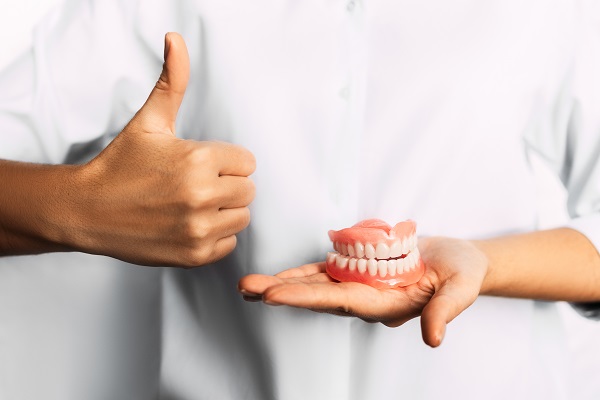
Patients who are adjusting to new dentures may be interested in what types of materials are used to create them. There are several options to choose from when deciding on what kind of dentures to get. A few factors a patient should consider are whether he or she needs partial or full dentures, how long the dentures are expected to last before replacing them, and the budget for the dentures.
Types of materials used for dentures
Dentures are made up of two main parts, the framework and the false teeth. Each of these components can be made from a variety of materials. These materials are often some combination of the following:
- Acrylic resin
- Metal alloys
- Flexible materials, such as polyester
- Porcelain
Materials in denture frames
For the framework, a patient may receive dentures with frames made of acrylic resin, frames made of flexible material, or frames with metal components. Each of these options comes with pros and cons. Acrylic resin can be a good option for partial dentures, as it should not strain the remaining teeth in the mouth too much. Metal options can be a more durable option. Flexible dentures, often made from polyester, nylon, or similar materials can be especially comfortable and easy to use.
Materials in denture teeth
The false teeth components of dentures are made from acrylic resin, metal, or porcelain. Porcelain dentures can give a patient more natural-looking results, but they may press and grate against any remaining teeth in the mouth too much to be used for partial dentures. They can be a better option for full dentures. Acrylic dentures can be more affordable, and metal options are very durable.
Adjusting to new dentures
The process of adjusting to new dentures may be slightly different depending on which materials a patient has opted for. With metal and acrylic dentures, there can be concerns about the dentures breaking easily if dropped. With flexible dentures, this is less of an issue. For all the options except flexible plastic, the dentures will need to be attached to the jaw using metal components. Flexible plastic dentures often have a built-in hooking system.
How long do dentures last?
Part of adjusting to new dentures is determining when they will need to be replaced. No matter what kind of materials are used, the dentures will eventually need to be adjusted, repaired, or completely redone. Some options, such as porcelain and metal, are more heavy-duty and can last longer than flexible materials and acrylic resin.
Budgeting for dentures
One of the final factors to take into consideration when choosing a material for dentures is cost. Cost can vary from case to case, but some materials are generally cheaper than others. For example, the acrylic resin can be more affordable than other materials, such as porcelain and metal, but keep in mind that cheaper options may need to be replaced more often.
Conclusion
Considering the pros and cons of the different options for dentures can help a patient find something that works well for them. Adjusting to new dentures is easier when the patient knows what to expect from the material they choose.
Request an appointment here: https://www.cosmeticdentistoffice.com or call Rachel Cole DDS PC at (503) 248-1114 for an appointment in our Portland office.
Check out what others are saying about our dental services on Yelp: Adjusting to New Dentures in Portland, OR.
Recent Posts
Dental implants provide a reliable, long-term solution for replacing missing teeth, but not every patient qualifies for treatment immediately. Several oral health and medical factors can affect whether implant placement is appropriate at the time of evaluation. The goal of a general dentist is to identify these concerns and develop a treatment plan that improves…
A deep dental cleaning helps protect the smile when gum disease develops. Problems with the gums often start quietly, bringing symptoms that can be easy to ignore: mild bleeding, inflammation, and tenderness. A dentist may recommend these deeper cleanings to remove bacterial buildup beneath the gumline, help the gums heal, and reduce the risk of…
When you look for an Invisalign® dentist, the goal is to achieve a straighter smile without the hassle or appearance of traditional metal hardware and wires. This modern approach to teeth straightening relies on clear aligner sets to shift the teeth into place with high accuracy. The process is straightforward. However, the success requires a…
A bridges dentist can replace missing teeth for a fuller smile. As their title suggests, these dentists are experienced in placing dental bridges: secure, natural-looking tooth replacements that support daily comfort and function. This solution has long been a popular option for patients who prefer to avoid flipper teeth and dental implant surgery. With thoughtful…