Infection Control: Sterilization and Disinfection Procedures at Rachel Cole DDS PC
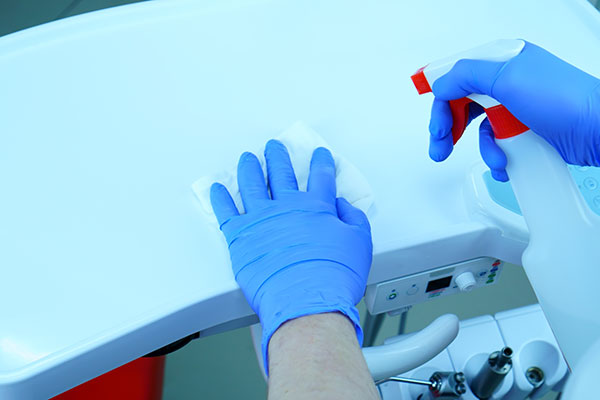
Sterilization and disinfection procedures are critical for infection control processes at Rachel Cole DDS PC. These processes are done in accordance to recommendations provided by the Centers for Disease Control and Prevention (CDC). Using the recommendations as a guide, the methods of disinfection and sterilization can be learned and understood, which is important, especially during an outbreak, such as COVID-19.
Cleaning, disinfecting and sterilizing
Cleaning is an important infection control step that must take place before the sterilization and disinfection process begins. It involves the removal of blood, microorganisms, visible soil, proteins and other debris from surfaces, instruments and devices. This step is important to ready the items for safe handling and additional decontamination. Debris removal is completed using detergent and water, enzyme cleaner and water, or through a manual or mechanical process.
Disinfection is done to remove most of or all microbes, except bacterial spores. The process is completed with liquid chemicals to ensure infection control protocols are maintained. A disinfectant can be in the form of physical or chemical agent, and it cleans, disables and destroys pathogens on surfaces or items to a point where they are no longer able to transmit infectious agents, making the surface or item safe for use, handling or disposal. Sterilization is a process that removes all types of microbial life.
Cleaning before disinfection
Surfaces are cleaned of debris before disinfection. It will be difficult to cover surfaces adequately with a disinfecting solution if surfaces still have dirt and debris. After cleaning the surfaces, a chemical disinfectant is applied for a recommended duration before wiping dry. The dental staff follows the instructions available on the product label and safety data sheet (SDS) for efficiency, safety and thorough disinfection.
Walls, floors and other housekeeping surfaces are cleaned with detergent or a disinfecting cleaner regularly. Disinfection is only done if the surfaces have been contaminated by blood or infectious material. Clinical contact surfaces such as dental units and countertops are disinfected with an EPA-registered surface disinfectant. In some cases, they are covered with a barrier and cleaned at the day’s end.
Handling Instruments
Every contaminated dental instrument is transported to the central processing area inside a safe container. Disposable instruments, including needles, are recapped and handled safely according to the Occupational Safety and Health Administration guidelines. Disposable items designated for single-use, including saliva ejectors and suction tips should be used for only one patient to ensure infection control protocols.
Reusable instruments that contact the skin are cleaned and disinfected. They pass through the stages of cleaning, packaging and sterilization before reuse. Reusable instruments are cleaned with a hands-free, automatic cleaning device like an ultrasonic unit. When instant cleaning is not possible, the instruments are presoaked to make cleaning easier.
Every instrument is packaged before sterilization if it is not to be used immediately after. The package should stay sealed until the instrument is ready for use and should be stored properly to prevent contamination. Every critical and semi-critical instrument needs sterilization after each use to ensure that infection control protocols are maintained. Non-critical instruments do not require sterilization and can be cleaned with a surface disinfectant.
Infection control practices
For effective infection control, sterilization and disinfection of surfaces, instruments and devices are done in accordance with CDC guidelines.
Request an appointment here: https://www.cosmeticdentistoffice.com or call Rachel Cole DDS PC at (503) 248-1114 for an appointment in our Portland office.
Check out what others are saying about our services on Yelp: Read our Yelp reviews.
Recent Posts
Dental implants provide a reliable, long-term solution for replacing missing teeth, but not every patient qualifies for treatment immediately. Several oral health and medical factors can affect whether implant placement is appropriate at the time of evaluation. The goal of a general dentist is to identify these concerns and develop a treatment plan that improves…
A deep dental cleaning helps protect the smile when gum disease develops. Problems with the gums often start quietly, bringing symptoms that can be easy to ignore: mild bleeding, inflammation, and tenderness. A dentist may recommend these deeper cleanings to remove bacterial buildup beneath the gumline, help the gums heal, and reduce the risk of…
When you look for an Invisalign® dentist, the goal is to achieve a straighter smile without the hassle or appearance of traditional metal hardware and wires. This modern approach to teeth straightening relies on clear aligner sets to shift the teeth into place with high accuracy. The process is straightforward. However, the success requires a…
A bridges dentist can replace missing teeth for a fuller smile. As their title suggests, these dentists are experienced in placing dental bridges: secure, natural-looking tooth replacements that support daily comfort and function. This solution has long been a popular option for patients who prefer to avoid flipper teeth and dental implant surgery. With thoughtful…