Replacing Teeth With the Help of a Dental Bridges Dentist
A bridges dentist can replace missing teeth for a fuller smile. As their title suggests, these dentists are experienced in placing dental bridges: secure, natural-looking tooth replacements that support daily comfort and function. This solution has long been a popular option for patients who prefer to avoid flipper teeth and dental implant surgery. With thoughtful planning, a bridge can be an important step toward a healthy, complete smile.
What is a dental bridge?
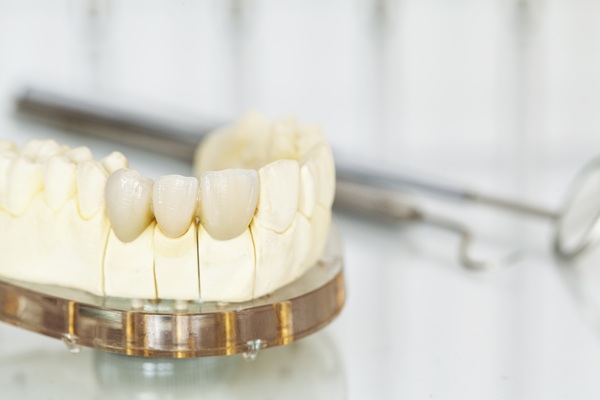
A dental bridge is an artificial tooth framework that fills the space left by one or more missing teeth. It uses replacement teeth called pontics, which are supported by the natural teeth on either side of the gap. Bridges can also be supported by dental implants. Either way, this design helps restore the shape of the smile and allows the mouth to function more effectively when speaking and chewing.
A bridges dentist evaluates the location of the missing tooth, the health of the nearby teeth, and the condition of the gums before starting the process. This careful approach helps the bridge fit well and supports the bite. When the bridge matches the surrounding teeth in size, shape, and color, it blends in with the rest of the smile.
How tooth replacement supports the smile
A missing tooth changes how the smile looks and functions. For example, the rest of the teeth may begin to shift into the open space, which can alter the bite and make cleaning more difficult. Over time, that movement may also increase the risk of uneven wear, gum irritation, and extra stress on other teeth.
Tooth loss can also make it harder to chew certain foods. Some patients begin favoring one side of the mouth, unintentionally straining the jaw. A bridge helps restore balance by filling the gap and allowing the teeth to work together again. This is one reason why many patients choose to work with a bridges dentist soon after losing a tooth.
What to expect when seeing a bridges dentist
The process usually begins with a thorough exam. The bridges dentist checks the health of the teeth and gums, reviews X-rays, and determines whether a bridge fits the needs of the patient and, if so, what type would be best. Bridge types include:
- Traditional. Which rest on two crowns on the surrounding natural teeth.
- Cantilever. Which rest on a single crown on a natural tooth.
- Maryland. These are anchored by wings on the backside of natural teeth.
As mentioned, there are also implant-supported bridges. These are anchored to dental implants, metal posts that act like artificial tooth roots. The patient would need to undergo oral surgery for implant placement, but the result is a stable bridge that can replace more teeth in a row.
Preparing the teeth and placing the bridge
Once the bridge type is selected, the dentist shapes the supporting tooth or teeth to support it. They must take impressions or digital scans so that the dental lab can create a custom piece that matches the smile. Since this process typically takes one to two weeks, the dentist will place a temporary bridge for use during that time. Once the final bridge is ready, the dentist places it with close attention to comfort and appearance.
Book an appointment with a bridges dentist
A bridges dentist works hard to ensure that the dental bridge fits seamlessly into the patient's smile. Are you looking for a tooth replacement? Contact Rachel Cole DDS PC today.
Request an appointment here: https://www.cosmeticdentistoffice.com or call Rachel Cole DDS PC at (503) 248-1114 for an appointment in our Portland office.
Check out what others are saying about our services on Yelp: Bridges Dentist in Portland, OR.
Recent Posts
Dental bridges are an effective and popular way to restore missing teeth, offering cosmetic and functional benefits. When you properly care for and maintain your bridge, it can significantly improve oral health and restore the confidence you have in your smile. However, several factors can influence the longevity of dental bridges.Dental bridges are prosthetic devices…
Modern dentistry is improving with new technology that enhances patient comfort, convenience, and results. One of the most notable innovations is CEREC. A CEREC dentist provides same-day dental restorations with great precision and efficiency. Choosing this dental provider can change your treatment experience by making it quicker, more reliable, and more comfortable. Here are five…
If you have ever had a dental crown placed, you know that the process often involves multiple visits and temporary crowns. A CEREC dentist offers a faster solution to the typical dental crown process. Using advanced technology, these dentists create durable, high-quality crowns in just one appointment.A CEREC dentist uses Computer-Aided Design and Manufacturing (CAD/CAM)…
Same-day crowns are now achievable due to CEREC® technology, which combines modern technology with significant advances in dentistry. Patients with fragile, fractured, damaged, or broken teeth may now have their dental condition assessed and even get a new dental crown designed and installed during one visit to the dentist's office. If you are considering CEREC…