Use These Oral Hygiene Tips to Protect Children From Tooth Decay
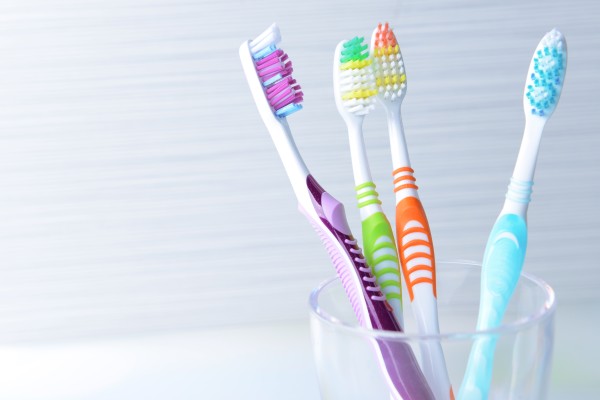
Brushing your child’s teeth and other oral hygiene habits are necessary for several reasons. The first set of teeth (primary) keeps your child’s jaw straightened. The primary teeth also hold the spaces for adult teeth to come in and help your child learn how to smile, chew and speak properly. Learning good oral hygiene habits at a young age can result in lifelong patterns.
Starting good oral hygiene habits for kids
Many parents wonder when to begin brushing and flossing a child’s teeth. When the child has teeth that are touching, a parent can start flossing between them. Brushing should begin when the child’s teeth first start appearing. There are several different stages of development in children. Knowing the right oral care tips can help parents manage oral hygiene more effectively.
4 to 24 months
Parents should begin gently cleaning their newborn’s gums after any feeding (bottle or breast). This is a good way to prevent tooth decay and get rid of plaque buildup. When the child’s first tooth appears, the parents should brush it with a soft-bristled toothbrush and a small dab of non-fluoridated toothpaste. This should occur twice a day for two minutes. The first dentist appointment should happen around the child’s first birthday.
2 to 4 years
When a child is two or older, parents can encourage them to brush with fluoridated toothpaste. This prevents decay as the teeth continue developing. It is important to supervise a child to make sure proper brushing habits are formed. Children should spend two minutes on the back teeth, where the deep crevices make cavities more likely to form. Parents should also consider the snack options and beverages the child is getting.
5 to 7 years
Children who are five and older will develop permanent molars. Using fluoridated toothpaste is very important at this stage. By now, children should have a routine in place for remembering to brush and floss on a daily basis. Watching what the child consumes is still important as sugary beverages and snacks are more likely to cause cavities.
Dentists can also offer sealants for the child’s molars and premolars. Sealants are thin plastic sheets that cover up the deep crevices found in the chewing teeth. This prevents bacteria and plaque from forming and can reduce the chance of cavities.
8+ years
Once a child begins school, parents will have less of an influence on what the child is eating and drinking throughout the day. Set good examples at home by eating a variety of healthy and nutritious snacks. Children should still be brushing and flossing regularly using a fluoridated toothpaste. There are toothbrushes designed for a mixture of baby teeth and permanent teeth that parents can buy.
Tackle oral hygiene habits head on
As a parent, it is your job to set an example for your child. Make sure that you are following good oral hygiene habits yourself so that your child can learn from you. If you are unsure about anything, you can talk to your dentist about ways to improve oral health — both for you and your child.
Request an appointment here: https://www.cosmeticdentistoffice.com or call Rachel Cole DDS PC at (503) 248-1114 for an appointment in our Portland office.
Check out what others are saying about our services on Yelp: Read our Yelp reviews.
Recent Posts
All too many teenagers and adults do not receive the orthodontic care they need due to fear of an extensive treatment process. Invisalign® offers a way to straighten your smile in a minimally invasive manner. You can also enjoy the discreetness that Invisalign offers, which is not the case with traditional braces. The most notable reasons…
Walking into a new dental office for the first time is the most important step you can take toward protecting your long-term oral health and confidence. However, many people feel a bit of nervous energy before a first-time appointment. This is particularly common if they have not had a dental checkup in several years. Knowing…
Dental sedation is used by many general dentists for procedures that potentially cause discomfort. Many patients are appreciative of dental sedation, as it offers a more comfortable and less painful treatment process, and knowing that they will receive dental sedation helps many deal with dental anxiety before the procedure begins.There are many benefits to dental…
Teeth whitening helps many adults lift everyday stains while keeping appointments simple and predictable. At-home trays use dentist-recommended gel and a snug fit to gradually brighten enamel, supporting comfort and consistency. This approach fits busy routines, allows adjustments along the way, and encourages long-term shade maintenance with periodic touch-ups after professional cleanings.Teeth whitening gel contains…